
Mood Food: How Winter Nutrition Can Help You Feel a Little More Like Yourself

Somewhere between the leftover Halloween candy and the New Year’s Eve appetizers, we start to feel… off.
Mood swings, fatigue, sugar cravings — and that subtle sense that you could cry over the last gluten-free bagel.
If this sounds familiar, it’s not just you. Shorter days mean less vitamin D, more cortisol, and often, a shift toward comfort foods (and maybe too much peppermint mocha).
But here’s the good news: integrative nutrition gives us simple, science-based tools to support our mental health this winter.
1. Your brain loves color.
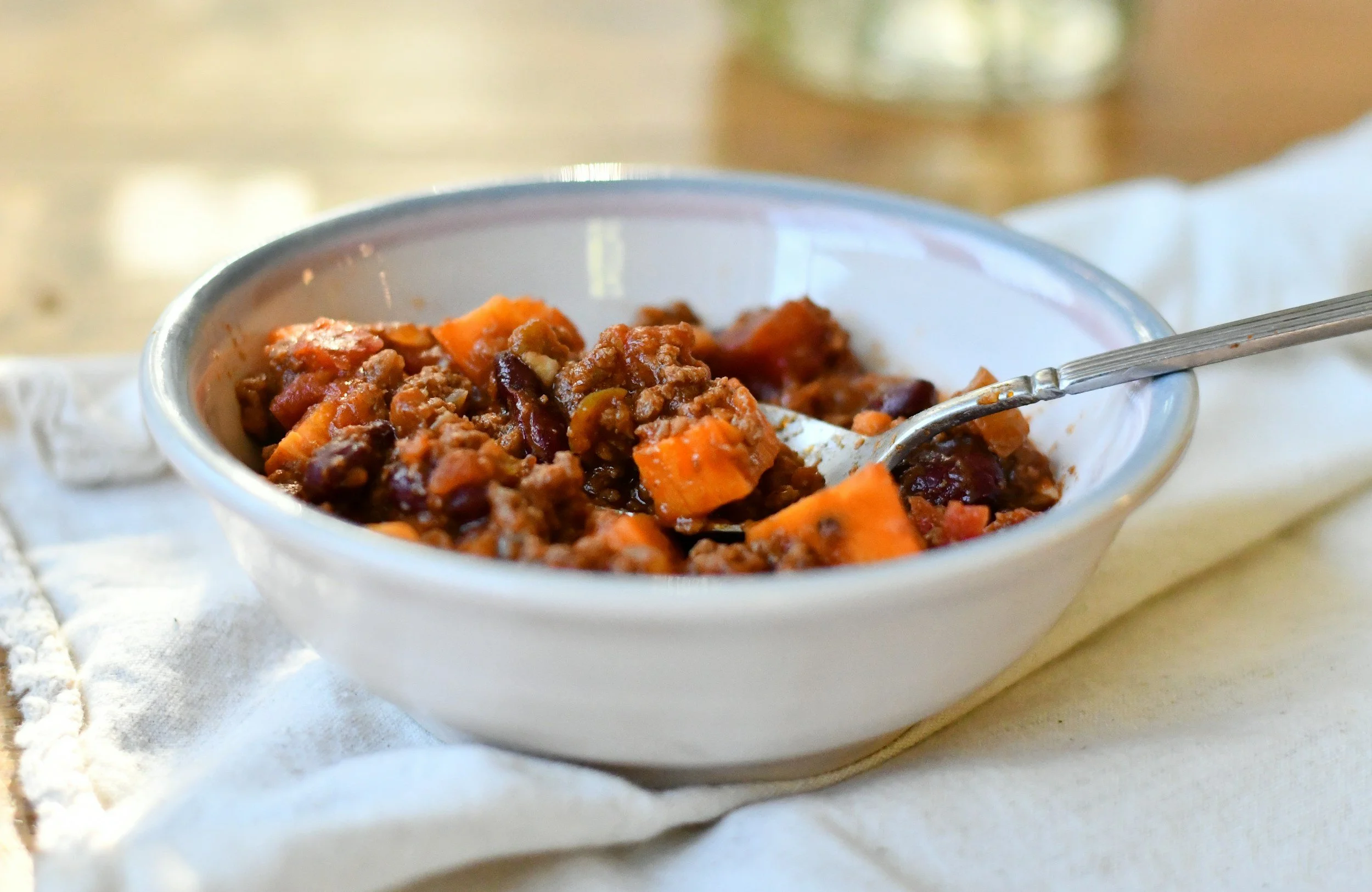
Dark leafy greens, bright berries, and orange veggies (sweet potatoes, squash) are loaded with antioxidants that protect against inflammation — a key player in depression and anxiety. Add one colorful thing to every meal. No perfection required.
2. Protein = mood stability.
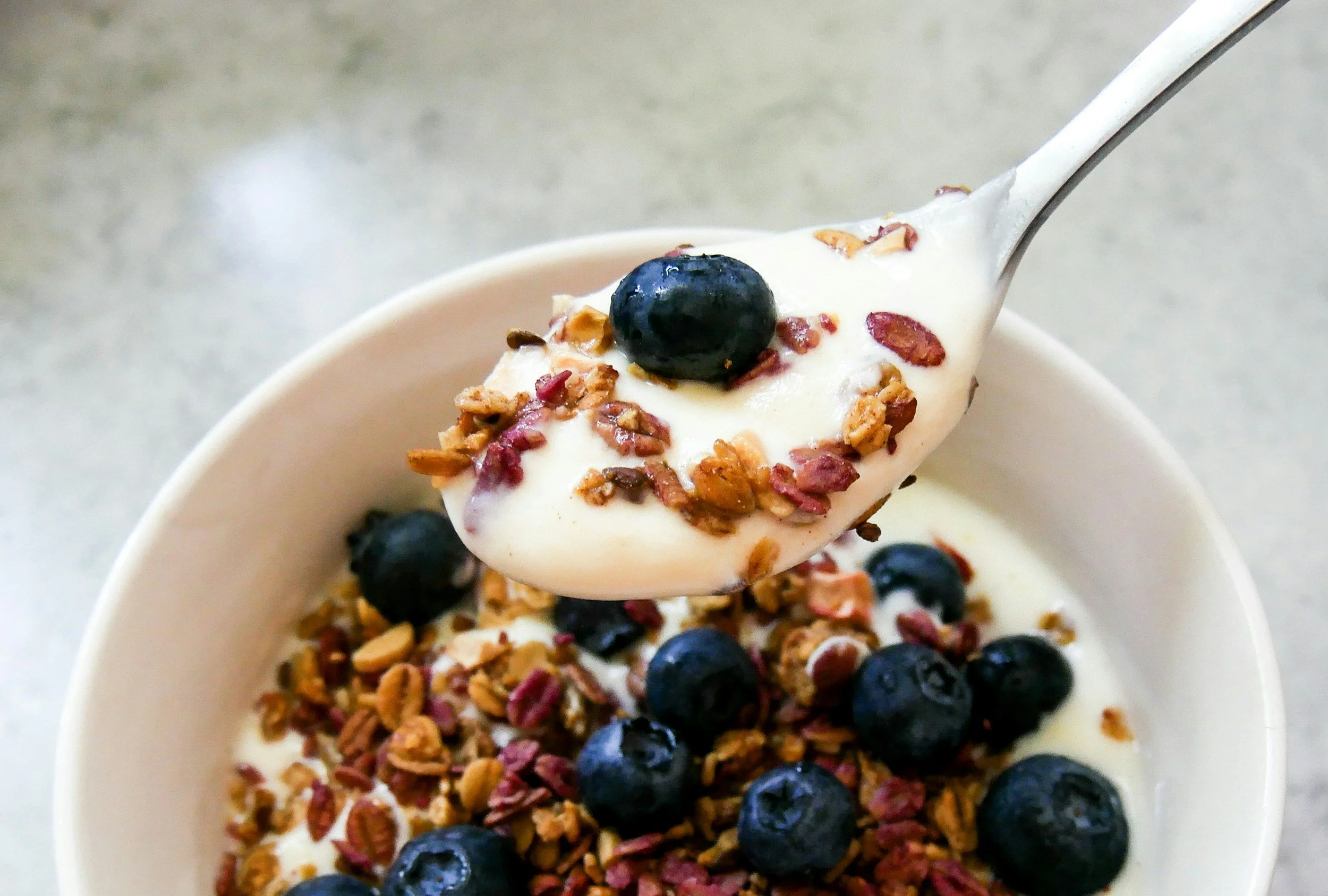
Every time my son and I rush out the door for sports or errands, I realize half our irritability could be solved by actual protein. Eggs, Greek yogurt, lentils, or even a quick protein bar help stabilize blood sugar — and emotions.
3. Omega-3s are your winter MVP.
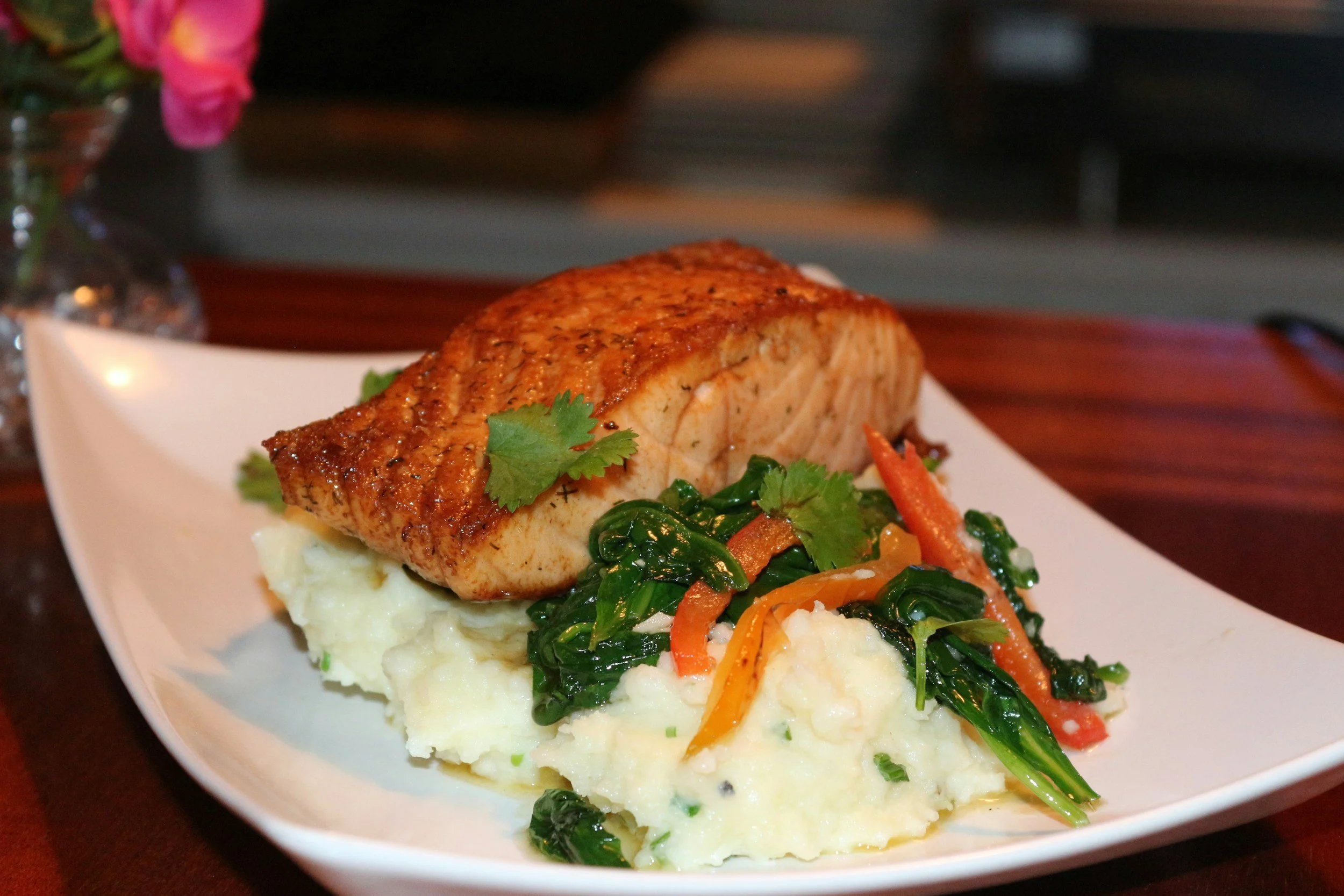
They’re like insulation for your mood. Fatty fish, chia seeds, flax, and walnuts all support brain function and reduce inflammation.
4. Magnesium: the “calm mineral.”
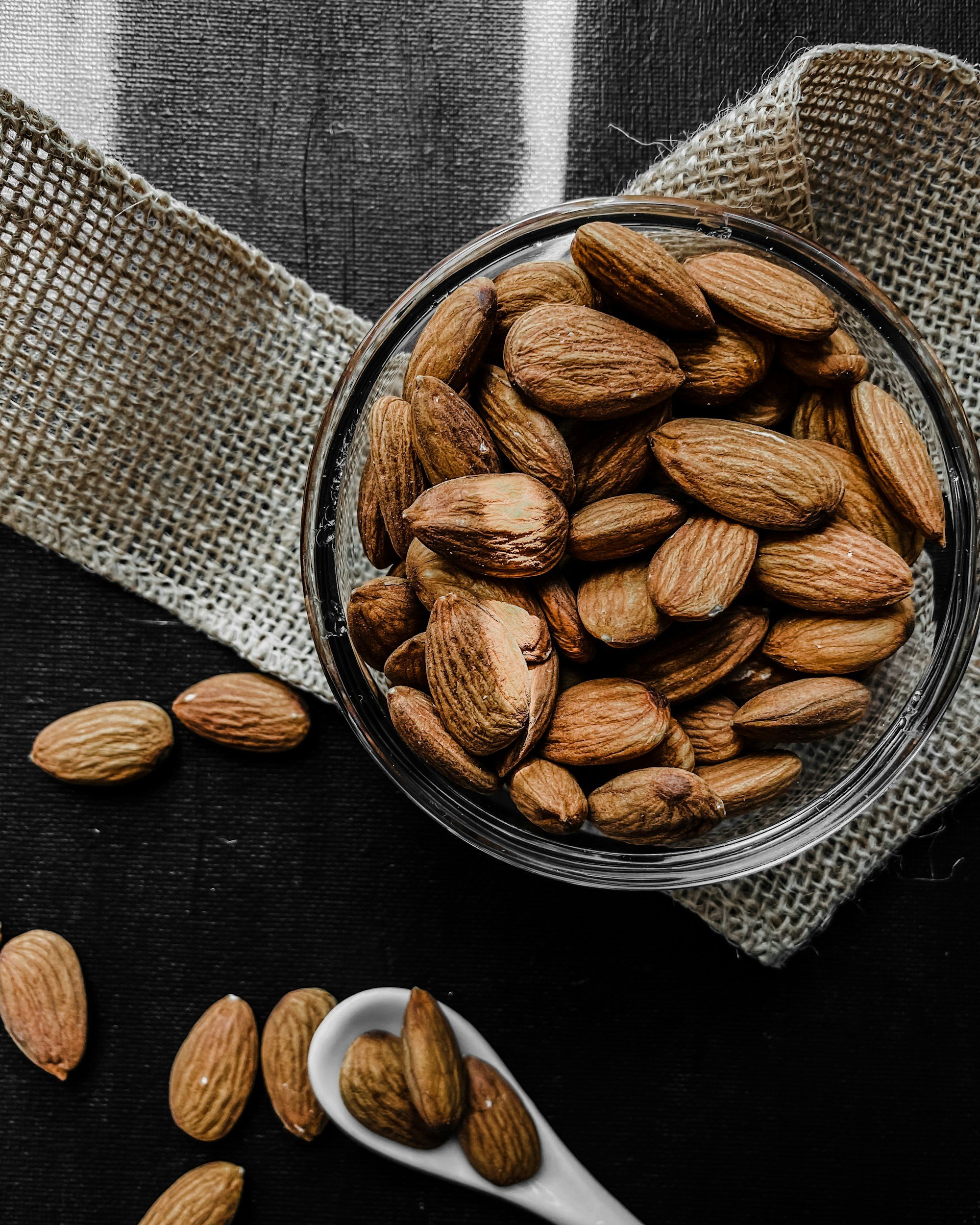
Magnesium helps relax muscles and quiet anxious thoughts. Try almonds, pumpkin seeds, or a magnesium supplement if approved by your provider.
Real talk:
I’m a mom, a clinician, and a small business owner — which means by December 10th, I’m already running on coffee, commitment, and chaos. The goal isn’t to be the poster child for perfect nutrition — it’s to feel like yourself again by giving your body what it’s actually asking for.
If you’re interested in learning more about how nutrition impacts mood, our clinicians at LifeBalance integrate both mental health and lifestyle tools for full-spectrum care.
